The world of digital collectibles has settled into a new rhythm in 2026, moving beyond the initial hype to become a standard for digital ownership.
For artists, creators, and brands, Non-Fungible Tokens (NFTs) now offer a reliable way to authenticate work and build a lasting digital legacy without needing complex technical knowledge.
One doesn’t need to be a blockchain specialist to create NFTs; the current ecosystem is meant to assist you in converting your digital files into tradeable assets with a few clicks.
In this article, we will cover the essential requirements, the step-by-step creation process, and the costs involved in minting your first NFT.
Can You Create NFTs In 2026?
Absolutely. Creating an NFT is now easier than ever before. In the past, technological restrictions made it difficult for beginners, but modern tools and marketplaces have greatly simplified the process.
You can create your own asset on the Blockchain right now if you have a digital file and a small budget for fees. You no longer need to write code or pay a developer.
Requirements For Creating NFTs In 2026
You’ll need tools and platforms to create and upload the NFTs you’ve made. They are as follows:
- Crypto Wallet: This is a digital tool that acts as your personal vault and identity on the Blockchain. Its primary purpose is to securely store your NFTs and “sign” (authorize) the transactions required to create or sell them.
- Cryptocurrency: To interact with the Blockchain, you must use digital currency to pay for network processing charges, sometimes known as “minting” or “gas” prices. The particular currency required depends on the Blockchain you select.
- NFT Marketplace: This is the online platform where you actually create and trade your digital assets. It functions like a digital gallery or store where you upload your files to mint them and list them for sale.
- Digital File: The creative asset you want to tokenize. An image, video, or audio track can act as a base media file, which will be permanently linked to the NFT.
Quick Table:
| Requirement | Examples | Purpose |
|---|---|---|
| Crypto Wallet | MetaMask, Phantom | Stores NFTs & signs transactions |
| Cryptocurrency | ETH, MATIC, SOL | Required for minting fees |
| NFT Marketplace | OpenSea, Rarible | Where you create & sell NFTs |
| Digital File | JPG, PNG, MP4 | The asset you will mint |
Note: Make sure you own the rights to your asset. Minting something you don’t own can lead to legal issues.
The NFT Creation Process
The journey of creating your first NFT involves seven distinct steps, from file creation to final listing. Most of the process is beginner-friendly, though the actual “minting” step requires slightly more attention to detail.
| Step | What Happens / Procedure | Difficulty Level |
|---|---|---|
| 1 | Choose or create your digital asset | Easy |
| 2 | Choose the blockchain (based on cost/compatibility) | Easy–Medium |
| 3 | Set up a crypto wallet | Easy |
| 4 | Add cryptocurrency (for gas/fees) | Easy |
| 5 | Pick an NFT marketplace | Easy |
| 6 | Upload asset, add metadata, mint NFT | Medium |
| 7 | (Optional) List NFT for sale | Easy |
Step 1: Choose Your Digital Asset
The fundamental purpose of this step is to establish the specific object of value you wish to tokenize.
This digital file serves as “the asset you will mint,” the core component permanently linked to the Blockchain.
To complete this step, “choose or create your digital asset”. You must prepare your creative work in an appropriate digital format, such as JPG, PNG, or MP4.
This phase is classified as “Easy” work because it is mostly dependent on your own content development.
Step 2: Choose The Right Blockchain
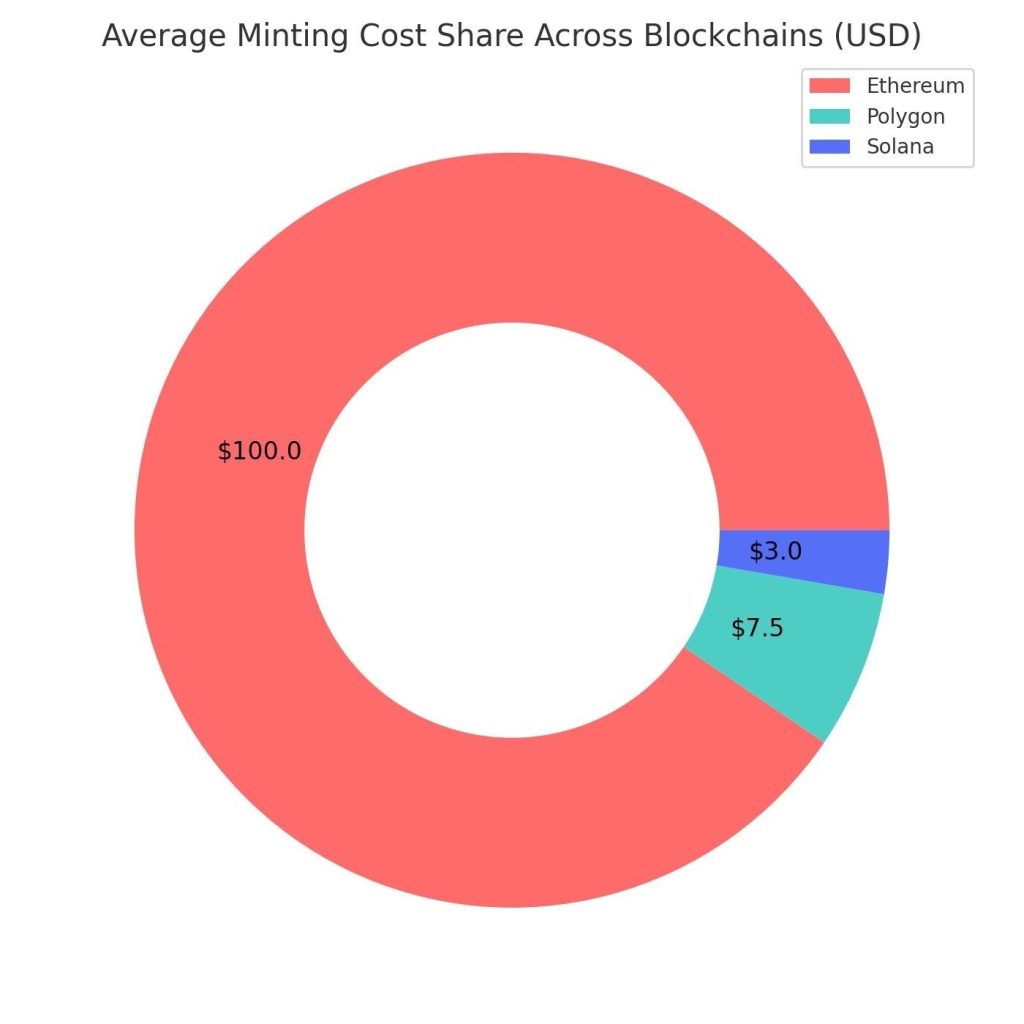
You must select a blockchain because it acts as the infrastructure for your NFT. The chain you select determines the fees you pay and the specific ecosystem where your NFT will live.
Below are some suggestions for Blockchain, which you can consider for your NFT:
| Blockchain | Fees | Best For | Why Choose It |
|---|---|---|---|
| Ethereum | Medium–High | Art, collectibles | Largest ecosystem |
| Polygon | Very Low | Cheap minting | Best for beginners |
| Solana | Low | Collections | Fast, low cost |
Step 3: Set Up Your Crypto Wallet
To interact with NFT marketplaces and blockchain networks, you need a crypto wallet.
Wallets like MetaMask (Ethereum), Phantom (Solana), or Trust Wallet allow you to securely store cryptocurrencies, receive NFTs, and sign blockchain transactions.
Setting up a wallet is simple: download the app or browser extension, create an account, and back up your seed phrase. The seed phrase is the master key to your wallet; losing it means losing access to all your NFTs and crypto.
A properly configured wallet ensures smooth minting, safe storage, and seamless transactions. Without it, you cannot pay gas fees, mint NFTs, or claim ownership of your creations.
Spending a little time learning wallet features, security best practices, and blockchain compatibility will save a lot of stress down the road.
Step 4: Add Crypto To Your Wallet
Minting and listing NFTs often require paying transaction fees, also called “gas fees.” The exact crypto you need depends on the Blockchain you choose — ETH for Ethereum, SOL for Solana, or MATIC for Polygon.
Beginners should start by buying a small amount, just enough to cover minting costs and any marketplace fees.
It’s also important to double-check wallet balance and network compatibility before initiating transactions. Insufficient funds or sending crypto to the wrong network can result in lost funds.
Step 5: Choose An NFT Marketplace
An NFT marketplace is the platform where your NFT will be minted, displayed, and potentially sold.
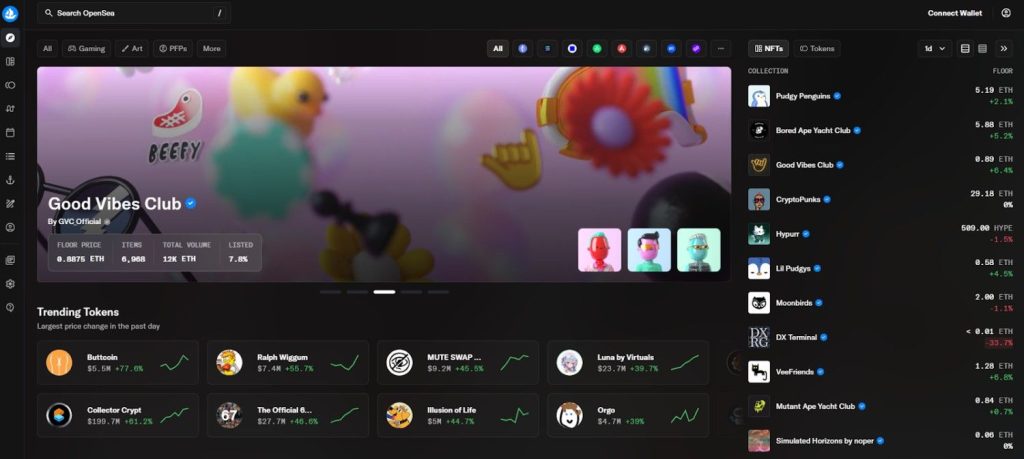
Popular marketplaces include OpenSea, Rarible, and Magic Eden. Each platform has different fees, supported blockchains, and audiences.
Choosing the right marketplace depends on your goals. If your priority is reaching a large audience, go with the biggest platforms. If cost is your primary concern, choose marketplaces with low minting fees.
Security and authenticity are also important. Always ensure you’re on the official marketplace website, and check for wallet compatibility.
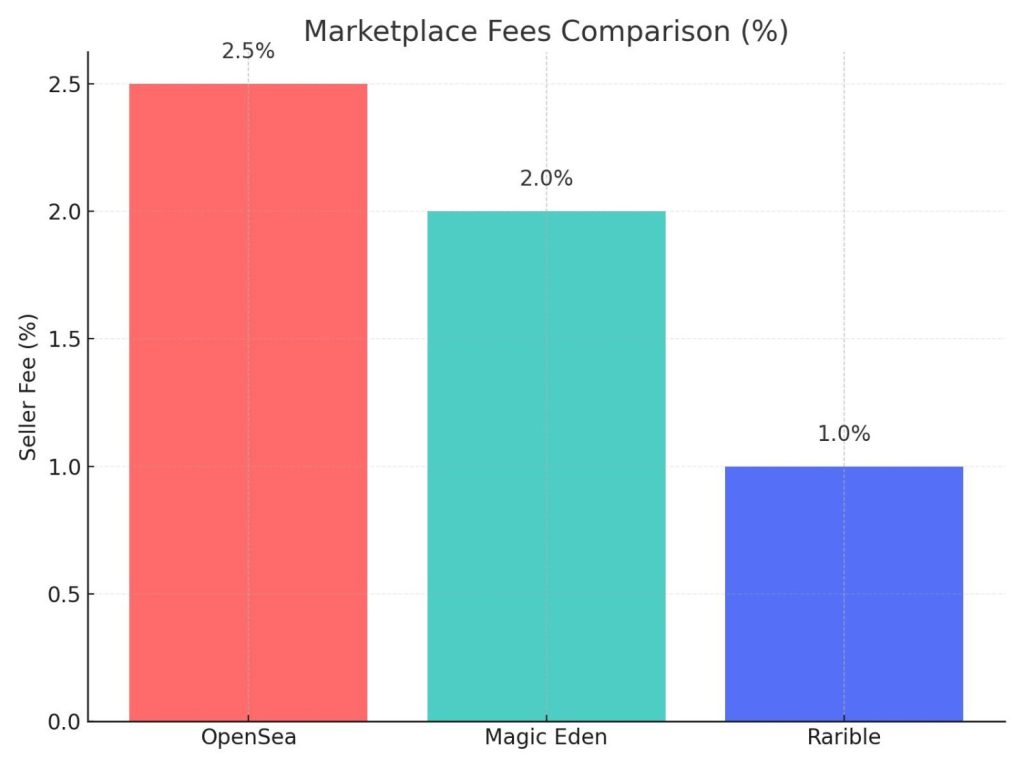
Some marketplaces may offer additional features, such as community support, analytics, and promotional tools, to increase your NFT’s visibility. Picking the correct marketplace balances cost, exposure, and user experience.
| Marketplace | Best For | Fees | Pros | Cons |
|---|---|---|---|---|
| OpenSea | Beginners | 1-2.5% | Easy UI, multi-chain, most extensive user base | Can be crowded; scams/fake collections require caution |
| Rarible | Artists | 1–2.5% | Strong customization, supports multiple chains, and is creator-focused | Smaller audience than OpenSea; UI can feel busy |
| Magic Eden | Solana users | 1-2% | Fast, simple, low-fee minting | Primarily Solana-focused; fewer Ethereum buyers |
Step 6: Mint Your NFT
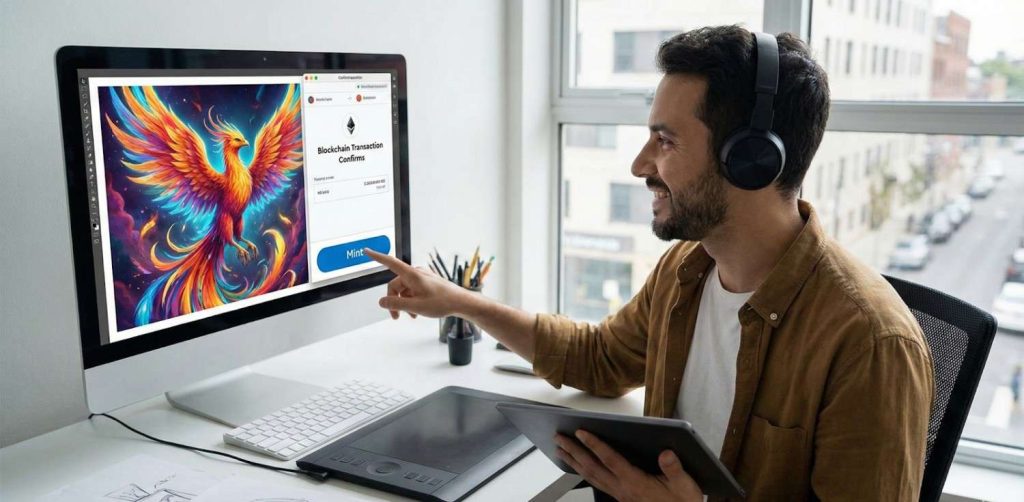
The process of converting your digital asset into a blockchain-based NFT is called minting. You connect your wallet to the marketplace, upload your asset, add metadata (title, description, properties, etc.), and start the minting process.
Once finished, your NFT is fully documented on the Blockchain and becomes a distinct token in your wallet. Your NFT is given a distinct token ID upon minting, which acts as evidence of ownership.
Before minting, beginners should confirm all the details and think about testing with a small file first.
Minting costs vary depending on marketplace fees, blockchain type, and network congestion, therefore planning helps to prevent unplanned spending.
Step 7: (Optional) List Your NFT For Sale
Once minted, you can put your NFT up for sale on the marketplace. You have three choices: fixed price, timed auction, and open bidding.
Choosing the proper listing method depends on your goals. Fixed pricing provides immediate clarity, whereas auctions can create excitement and perhaps higher sale prices.
How Much Does It Cost To Create An NFT?
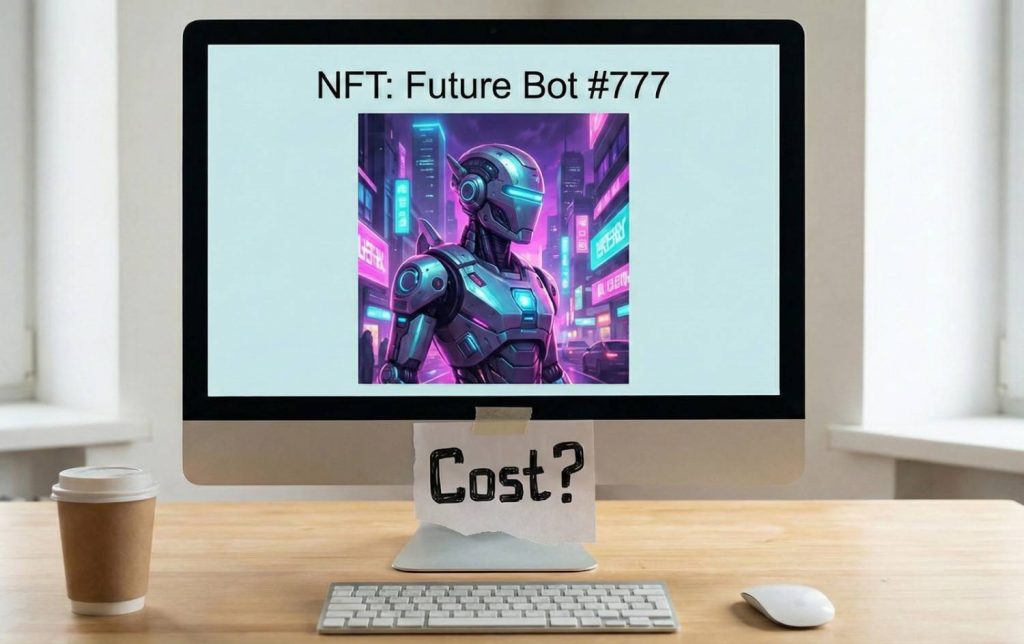
The choice of blockchain, marketplace fees, file format, and the network’s current transaction load all have a significant impact on how much it costs to create an NFT.
The cost of recording your NFT on a blockchain is known as the “minting fee,” or gas fee. This is the main expense.
Other costs include marketplace fees when listing or selling an NFT. Most platforms charge 1–2.5% per sale, and some may deduct additional commissions for premium features. If you are listing multiple NFTs, these fees can add up.
Marketing your NFT, creating expert artwork, or purchasing decentralized platforms like IPFS are examples of optional expenses.
Generally, depending on the chain, the production cost of NFTs can range from a few dollars on a low-fee chain to several hundred dollars.
Beginners often start small, using budget-friendly blockchains or lazy minting to minimize upfront investment.
| Cost Type | Typical Range | Notes |
|---|---|---|
| Minting Fee | $0–$60 | Polygon ≈ $0; Ethereum varies |
| Marketplace Fee | 1–2.5% | Charged upon sale |
| Wallet Network Fee | Varies | Depends on the chain |
Common Pitfalls & What To Watch Out For
Creating NFTs is exciting, but beginners often encounter specific issues:
- High Gas Fees and Timing: Minting during network congestion can unexpectedly spike costs. Plan minting during low-traffic periods, or consider low-fee blockchains like Polygon or Solana.
- Metadata and Storage Issues: Incorrect metadata or improper asset storage can render NFTs inaccessible. Using decentralized storage like IPFS ensures permanence while double-checking descriptions and titles.
- Wallet Errors and Security Risks: Sending crypto to the wrong network or losing your seed phrase can lead to permanent loss. Use verified wallets, enable security features, and never share your seed phrase online.
- Copyright and Legal Concerns: Minting art you don’t own or misrepresenting ownership rights can lead to legal trouble.
Is NFT Still A Thing In 2026?
Yes. NFTs remain relevant in 2026, but the market has matured. Unlike the explosive hype of 2021–2022, today NFTs are more focused on utility, community, and quality than on trading alone. Key trends include:
- Gaming and Virtual Worlds: NFTs are widely used in play-to-earn games, virtual real estate, and in-game assets, providing tangible value beyond collectibles.
- Music and Media: Musicians, filmmakers, and content creators use NFTs for exclusive releases and fan engagement.
- Community and Memberships: NFTs now function as digital membership cards or access passes, unlocking special events, content, or perks.
Conclusion: Create NFTs Easily In 2026
Creating an NFT in 2026 is fully doable for beginners. Start by preparing your asset, setting up the right tools, and understanding the blockchain ecosystem. From choosing your digital file to minting and listing, each step is a learning opportunity.
While the market has matured, there’s still room for creators. Focus on originality, start small, and build a community around your work.
With curiosity and careful planning, even first-time creators can confidently explore the world of digital ownership.